Xanh Mono Font
Designed by Yellow Type, Lâm Bảo, Duy Dao
Free Monospace Fonts #coding#italic#latin extended#monospace#programming#regular#vietnamese#xanh mono
Preview
Code with clarity and style
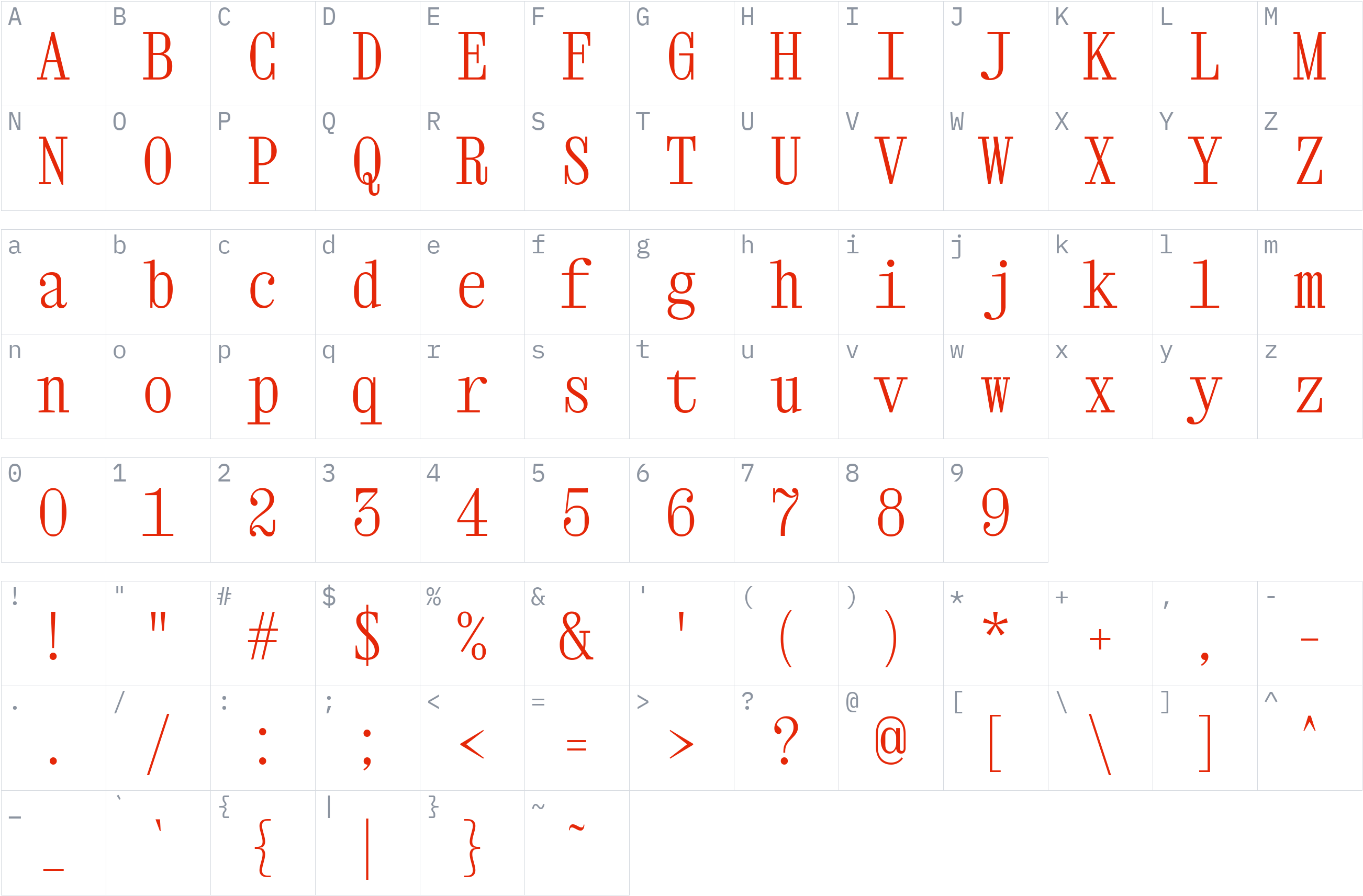
Character set
Styles and files
-
Regular
Weight 400 TTF58.5 KBCode with clarity and style
-
Regular
Weight 400 WOFF223.8 KBCode with clarity and style
-
Regular Italic
Weight 400 · Italic TTF62.3 KBCode with clarity and style
-
Regular Italic
Weight 400 · Italic WOFF226.4 KBCode with clarity and style
About Xanh Mono
Xanh Mono is a monospace typeface designed by Yellow Type, Lâm Bảo, and Duy Dao. Monospace fonts use a consistent character width, creating an orderly appearance that works well for code, technical content, and text arranged in columns. This makes Xanh Mono a practical option for projects that benefit from clear alignment and a structured typographic style.
The family includes two styles: Regular and Regular Italic, both at weight 400. The italic style provides an alternative for emphasis, annotations, or highlighting selected text while maintaining a consistent typographic approach.
Xanh Mono supports Latin, Latin Extended, and Vietnamese scripts, with 499 glyphs in its largest file. It is available in TTF and WOFF2 formats, giving designers options for desktop applications and web projects. The font is distributed under the SIL Open Font License 1.1, which permits commercial use subject to its terms. Preview your own text to compare the regular and italic styles, then choose the format that fits your workflow.
License
Commercial use allowed under SIL Open Font License 1.1
SIL Open Font License 1.1 · Official license text
Free to use, including commercially, study, modify and redistribute. The fonts may not be sold on their own and reserved font names must not be reused for modified versions.
Xanh Mono uses the SIL Open Font License 1.1, which permits commercial use subject to its terms. Review the license before redistributing or modifying the font.
Read the original license file (OFL.txt)
Copyright notice
Copyright 2020 The XanhMono Project Authors (https://github.com/yellow-type-foundry/xanhmono)
This is a summary, not legal advice. Always read the full license before using a font commercially. See the font licensing guide.
Use Xanh Mono on your website
Copy the CSS below. Option B needs the font files uploaded to a fonts/ folder on your own server first.
Option A: use the font directly from Fonts1 (no upload needed)
@font-face {
  font-family: 'Xanh Mono';
  src: url('https://files.fonts1.com/fonts1/fonts/3063/457c1c906c-xanhmono-regular.woff2') format('woff2');
  font-weight: 400;
  font-style: normal;
  font-display: swap;
}

@font-face {
  font-family: 'Xanh Mono';
  src: url('https://files.fonts1.com/fonts1/fonts/3063/f463b3034a-xanhmono-italic.woff2') format('woff2');
  font-weight: 400;
  font-style: italic;
  font-display: swap;
}
Quickest way to try it. For a busy production site, Option B (your own server) is more reliable.
Option B: self-host (download, then upload to your server)
@font-face {
  font-family: 'Xanh Mono';
  src: url('fonts/XanhMono-Regular.woff2') format('woff2');
  font-weight: 400;
  font-style: normal;
  font-display: swap;
}

@font-face {
  font-family: 'Xanh Mono';
  src: url('fonts/XanhMono-Italic.woff2') format('woff2');
  font-weight: 400;
  font-style: italic;
  font-display: swap;
}
2. Apply it
body {
  font-family: 'Xanh Mono', monospace;
}
How to install Xanh Mono
- Download the font family (ZIP) and extract it.
- Windows: right-click the
.ttfor.otffile and choose Install. macOS: double-click the file and choose Install Font. - Restart your design or office program, then pick Xanh Mono from the font list.
Need more detail? Read the full installation guide.
Fonts that pair well with Xanh Mono
Good design mixes two or three fonts. These are picked from a different style (a clean sans next to a script, a serif next to a sans) so they stay easy to tell apart and cover the same language.
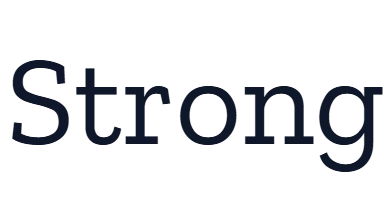
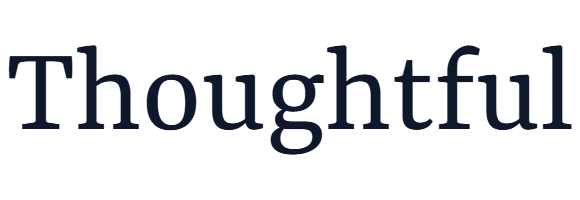
Yrsa
by Rosetta, Anna Giedryś, David Březina · Free Serif Fonts
4 styles TTFWOFF2 Commercial use OK 5 downloads

Similar fonts

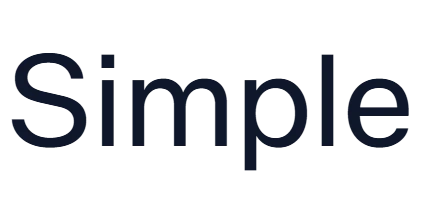
Zalando Sans
by Jakob Ekelund, KH Type, Zalando · Free Sans Serif Fonts
4 styles TTFWOFF2 Commercial use OK 1 download

Zalando Sans Expanded
by Jakob Ekelund, KH Type, Zalando · Free Sans Serif Fonts
4 styles TTFWOFF2 Commercial use OK 1 download

Zalando Sans SemiExpanded
by Jakob Ekelund, KH Type, Zalando · Free Sans Serif Fonts
4 styles TTFWOFF2 Commercial use OK


Your Xanh Mono download has started
Check your Downloads folder. How to install it.